
McLeod Ganj, before it was known as the home of the 14th Dalai Lama around the world, was a quiet, nearly abandoned colonial hilltop settlement overlooking the almost equally forgotten and undisturbed town of Dharamshala.
Through luck or through fate, and largely with the help of the Dalai Lama’s arrival, it transformed into the destination it is today, colourful prayer flags fluttering across the hills, monasteries echoing with chants, visitors arriving from every corner of the globe seeking spiritual awakening.
The story of how McLeod Ganj, and through it Dharamshala, became the centre of the exiled Tibetan government is quite a remarkable chapter in modern Himalayan history.
Turmoil in Tibet
Due to the growing tensions in the 1950s between Tibet and the People’s Republic of China, by early 1959, the situation in the Tibetan capital of Lhasa had become increasingly unstable.
On March 10, 1959, fuelled by the fear that the People’s Liberation Army (PLA) planned to abduct the 14th Dalai Lama, Tenzin Gyatso, tens of thousands of Tibetans gathered in a major uprising to protect the spiritual leader. The 10th of March is now celebrated as Tibetan Uprising Day globally.
As the crisis intensified and the PLA shelled his summer palace Norbulingka, fears grew that the Dalai Lama’s safety was in danger and his loyal followers forced him to flee to India.
A Journey Through Uncertainty
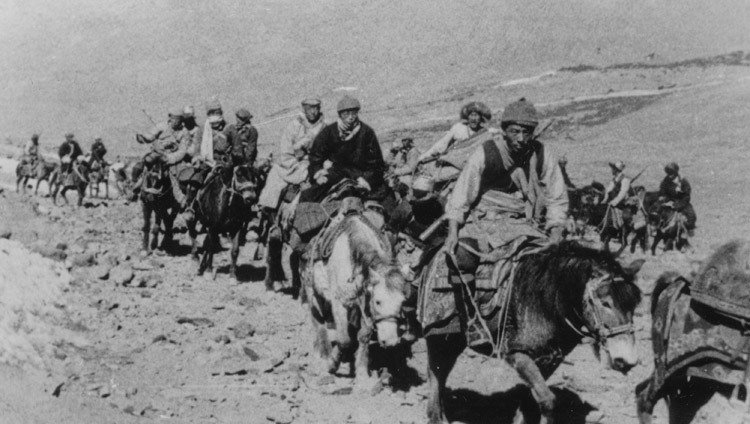
On the night of March 17, 1959, the young Dalai Lama, dressed as a soldier, left the city with a small group of companions and began a perilous journey across the Himalayas, from Lhasa through Thosam Thargyaling, Shopanup and Jhora.
Journeying for nearly two weeks, navigating through treacherous mountain terrain under constant uncertainty, on March 31, 1959, the Dalai Lama crossed into India through what is now Arunachal Pradesh and was granted asylum by the government of India.
The Search for a Place to Rebuild
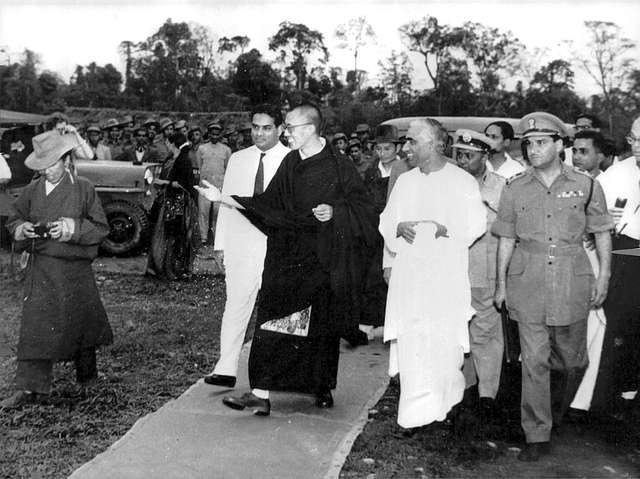
After staying a few weeks at Tawang Monastery in Arunachal Pradesh, the Dalai Lama was initially hosted at the Birla House in Mussoorie by the then Prime Minister of India, Dr. Jawahar Lal Nehru. There, they held talks about the future of the thousands of Tibetans who had just been displaced from their country and where they would be able to have a settlement of their own to freely practise their unique culture.
The growing Tibetan refugee community required a suitable haven, and after careful consideration, the government determined that McLeod Ganj would be the most suitable location.
Named after Donald Friell McLeod, McLeod Ganj back then was a small, abandoned hill settlement. Once a strategic British cantonment town, it had declined significantly after the devastating 1905 Kangra earthquake, which destroyed much of the infrastructure in the region.
Arrival in McLeod Ganj
The Dalai Lama officially relocated to McLeod Ganj on the 30th of April, 1960, and with him came Tibetan officials, monks, scholars, and thousands of refugees, all seeking a new beginning.
McLeod Ganj saw renewed activity in the town, the Tibetans breathing new life into the forgotten settlement, and it suddenly became the political, cultural, and spiritual capital of the exiled and still loyal Tibetan community.
Namgyal Monastery Re-established
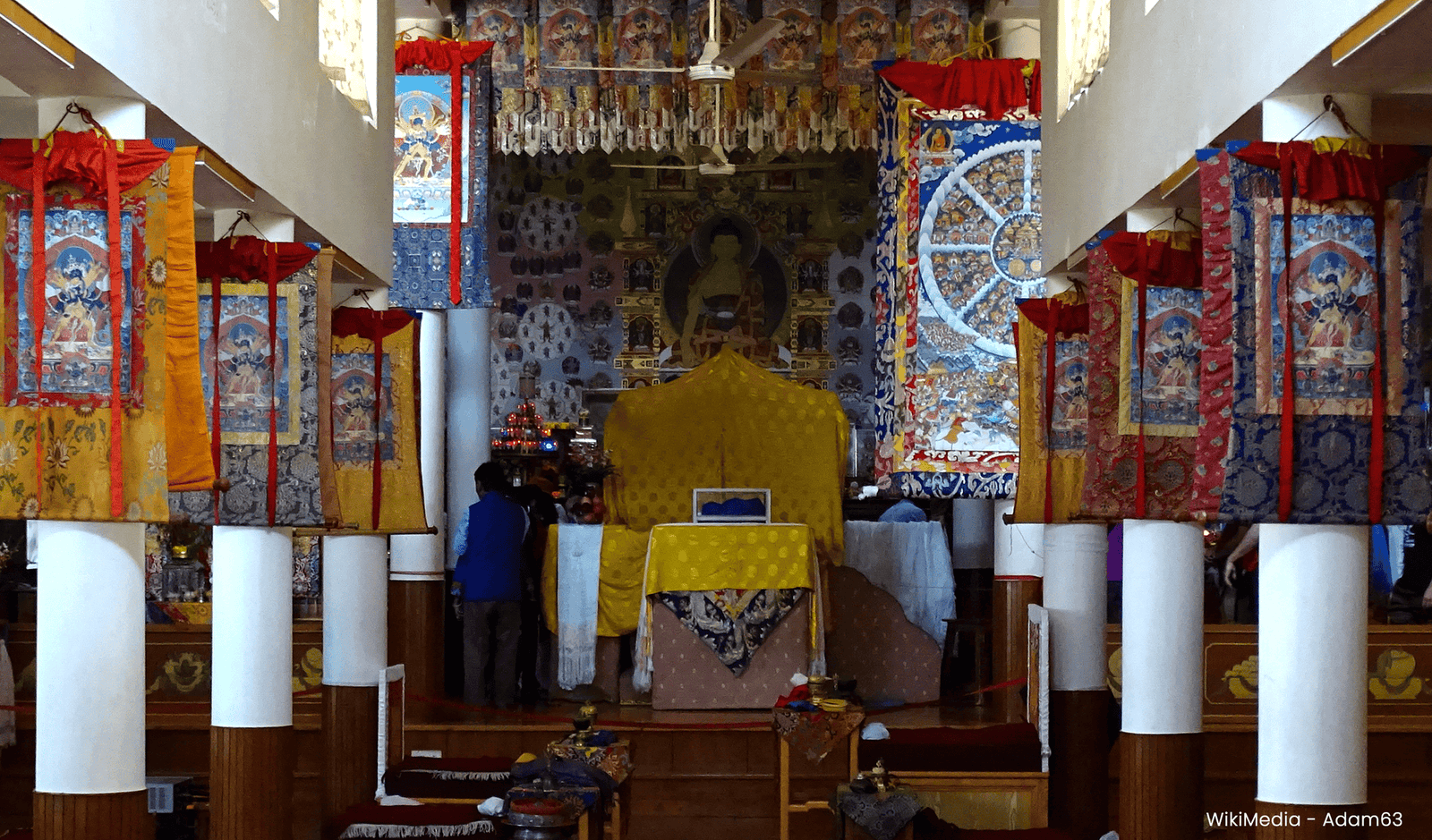
Originally founded in Tibet in the 16th century, Namgyal Monastery was the personal monastery of the Dalai Lama and was re-established in McLeod Ganj, helping preserve Tibetan Buddhist rituals, teachings, and traditions that were at risk of being lost.
A McLeod Ganj Transformed
The arrival of the Dalai Lama transformed McLeod Ganj in ways few could have imagined.
Over the following decades, monasteries were built, Tibetan schools were established, cultural institutes, libraries and museums opened. Tibetan markets selling Tibetan wares and handicraft emerged, and visitors from around the world began arriving.
The town evolved into a unique amalgamation of Himachali and Tibetan cultures, creating a calm, serene and spiritual atmosphere unlike anywhere else in India. With prayer flags waving in the wind among tall pine and deodar (Himalayan cedar) trees and the sound of Pahadi music playing in the distance, the cultures don’t just coexist, they intertwine.
The World Arrived
As the Dalai Lama gained global recognition as a spiritual leader and advocate for peace, McLeod Ganj attracted spiritual seekers, scholars, journalists, backpackers and casual tourists.
By the 1990s and 2000s, the town had become one of the most internationally recognised destinations in the Indian Himalayas.
Dharamshala’s Dharma
More than sixty years after the Dalai Lama’s arrival, his presence continues to shape the identity of Dharamshala.
The heart-wrenching story of oppression, escape and refuge of the Tibetan people transformed McLeod Ganj into a sanctuary for Tibetan culture and one of the most unique towns in the Himalayas. Over the decades, the Tibetan community has become deeply woven into the fabric of Dharamshala, with the locals also supporting their fight for justice. And though no major progress has been made towards that goal, Dharamshala continues to embrace them, offering a place to preserve and practise their culture and even call home.
Save Tibet. Tashi Delek (བཀྲ་ཤིས་བདེ་ལེགས) to those who preserve its traditions, and Thuk Je Che (ཐུགས་རྗེ་ཆེ་) to those who keep its spirit alive.