
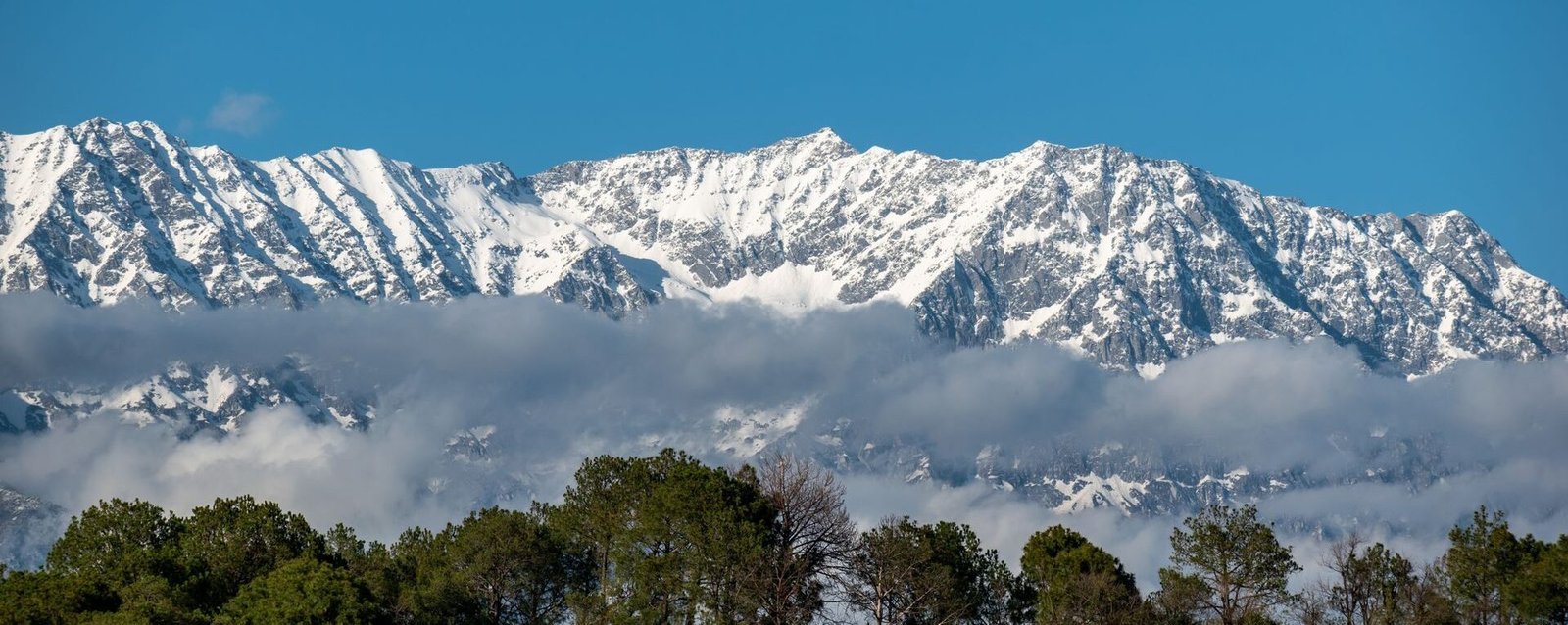
Flourishing at the foot of the towering Dhauladhar Mountain Range, Dharamshala is often described as one of India’s most beautiful and lively hill stations. The picture perfect landscapes speak of a remarkable story of transformation, a story that spans centuries, cultures, progress, wars and even calamity.
Today, visitors see the mountain views, Tibetan culture, spiritual retreats, cricket matches, and adventurous hikes, but few realise Dharamshala’s journey from a modest Himalayan settlement to an internationally recognised destination.
Green Pastures
The name “Dharamshala” originates from the Sanskrit words “dharam” (spirituality) and “shala” (house or shelter), which come together to mean “a spiritual resting place“.
Before the British decided to build military and administrative outposts in Dharamshala and Mcleodganj, the region served as a shelter for weary travelers, shepherds and merchants navigating the tough mountain paths. The fresh streams and the pleasant climate made the region an ideal campsite and hence it received the name “Dharamshala”.
The higher regions were historically inhabited by the Gaddi people, a semi-nomadic agrarian community known for their resilience and deep connection to the mountains. Their traditions and way of life continue to influence the region even today.
The Arrival of Roads and Birth of a Hill Station
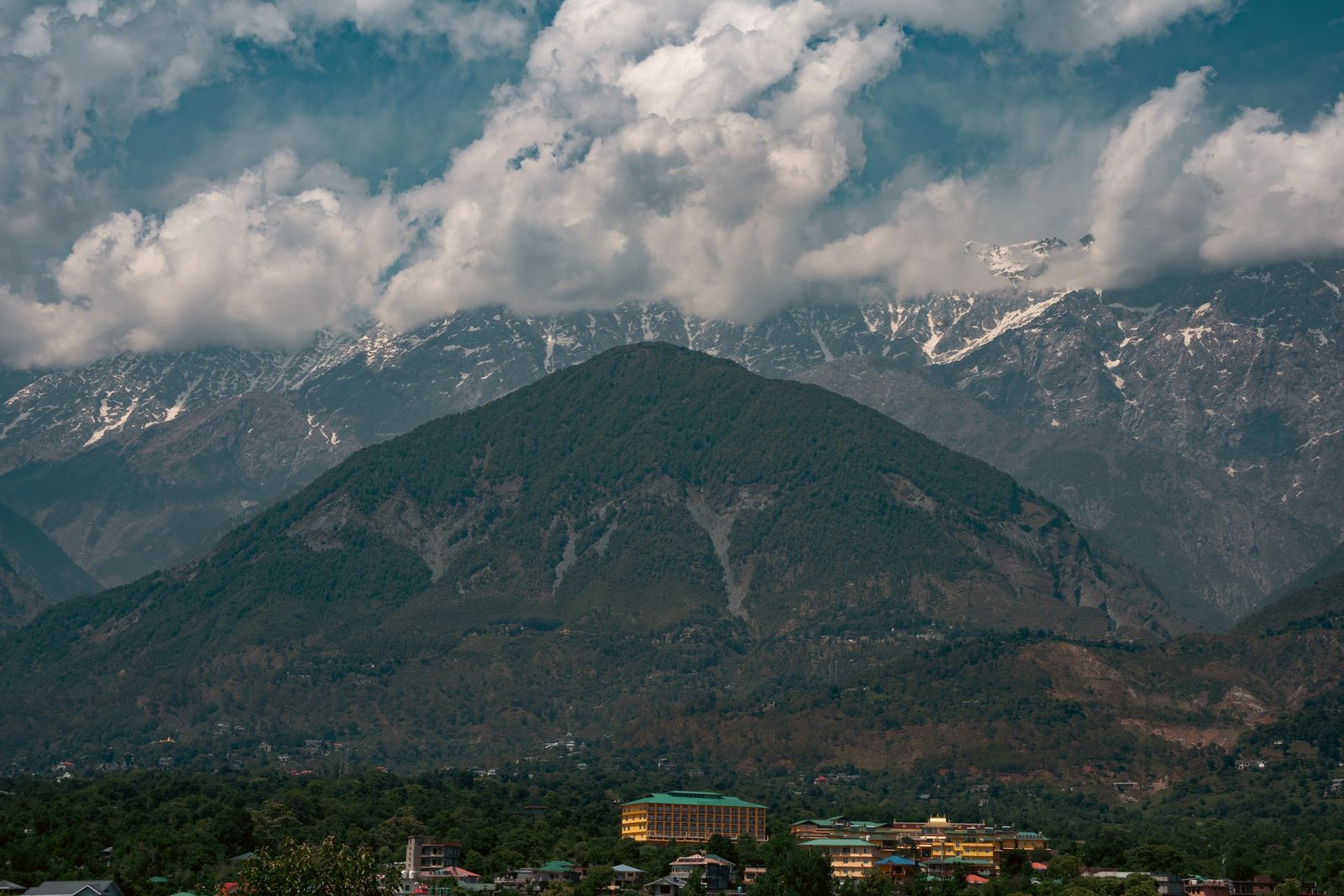
Dharamshala started its modern development during the 19th century after the British annexation of the Kangra Valley following the First Anglo-Sikh War.
Taking note of the area’s pleasant climate and strategic location, the British built roads, churches, schools, and public buildings, gradually transforming the quiet settlement into a structured hill station.
Dharamshala became a welcome retreat for the colonial officers, but unlike other major British-era hill stations such as Shimla or Mussoorie, it remained a quieter place, preserving much of its natural charm.
Calamity
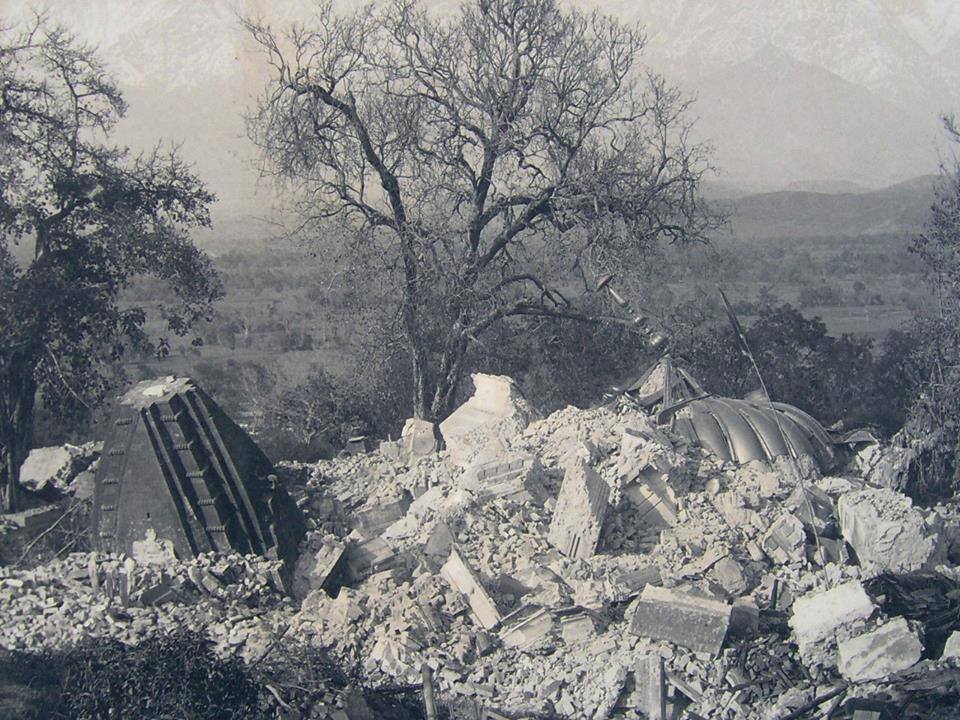
On the 4th of April, 1905, an earthquake measuring approximately 7.8 on the Richter scale hit Kangra and tore through the entire region. Thousands of lives were lost, entire neighborhoods decimated, public buildings reduced to rubble, and the town’s future left uncertain.
Soon after, Dharamshala rebuilt itself slowly and steadily and the disaster became a significant chapter in the town’s history, demonstrating the fortitude of the people. To this day, the people of this region remain wary of a major earthquake, with recurring seismic activity serving as a constant reminder
A New Home for Tibetan Refugees
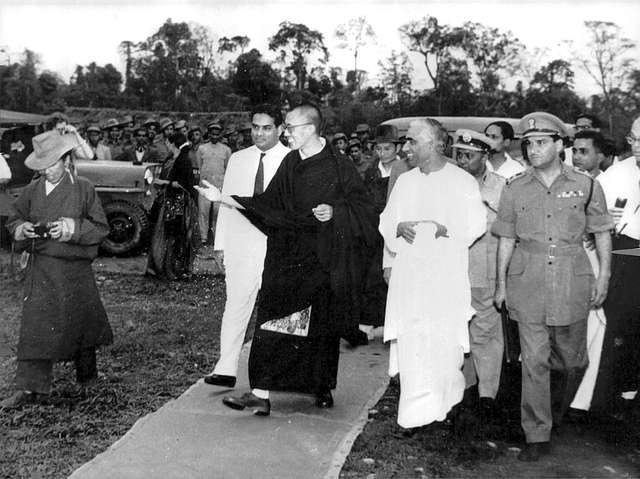
In 1960, the Dalai Lama arrived in McLeod Ganj, following political upheaval of 1959 in Tibet, along with thousands of Tibetan refugees that sought sanctuary in India.
Located above Dharamshala, the abandoned colonial town named after Lieutenant Governor Donald Friell McLeod, soon became the center of the Tibetan government-in-exile and a hub for Tibetan culture, education, and spirituality.
Few places can claim to host two vibrant cultures so harmoniously. Tibetan traditions merged with the heritage of the Pahadi and Gaddi people, complementing each other and forming something rather awe inspiring.
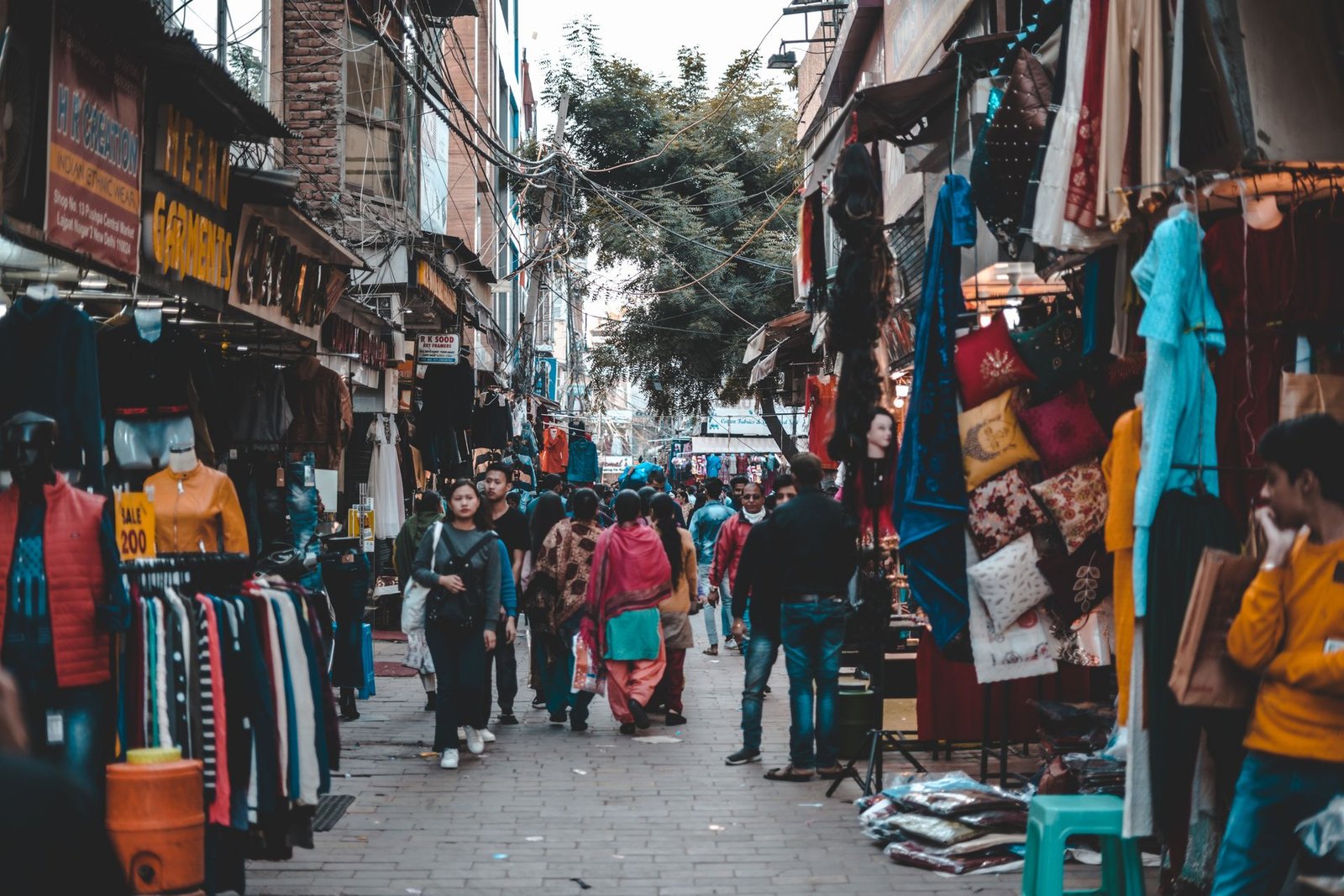
Monasteries, prayer flags, meditation centers, Tibetan markets, and traditional eateries became integral parts of the region’s character. McLeod Ganj was no longer just an abandoned colonial mountain town. It had become a symbol of cultural preservation and peaceful coexistence.
Global Recognition
Over the decades, Dharamshala attracted an increasingly diverse mix of travelers.
Spirituality, peace, adventure, inspiration,nature in abundance, respite from the heat and bustle of the plains, all was obtainable in one place.
Backpackers, nature enthusiasts, artists, musicians, international and domestic, all were drawn by the opportunity to experience Tibetan and Pahadi culture.
Over time, Dharamshala evolved organically into a destination rich with layers of history, culture, and spirituality, drawing people from all walks of life in search of experiences that would often prove life changing.
The Highest Stadium
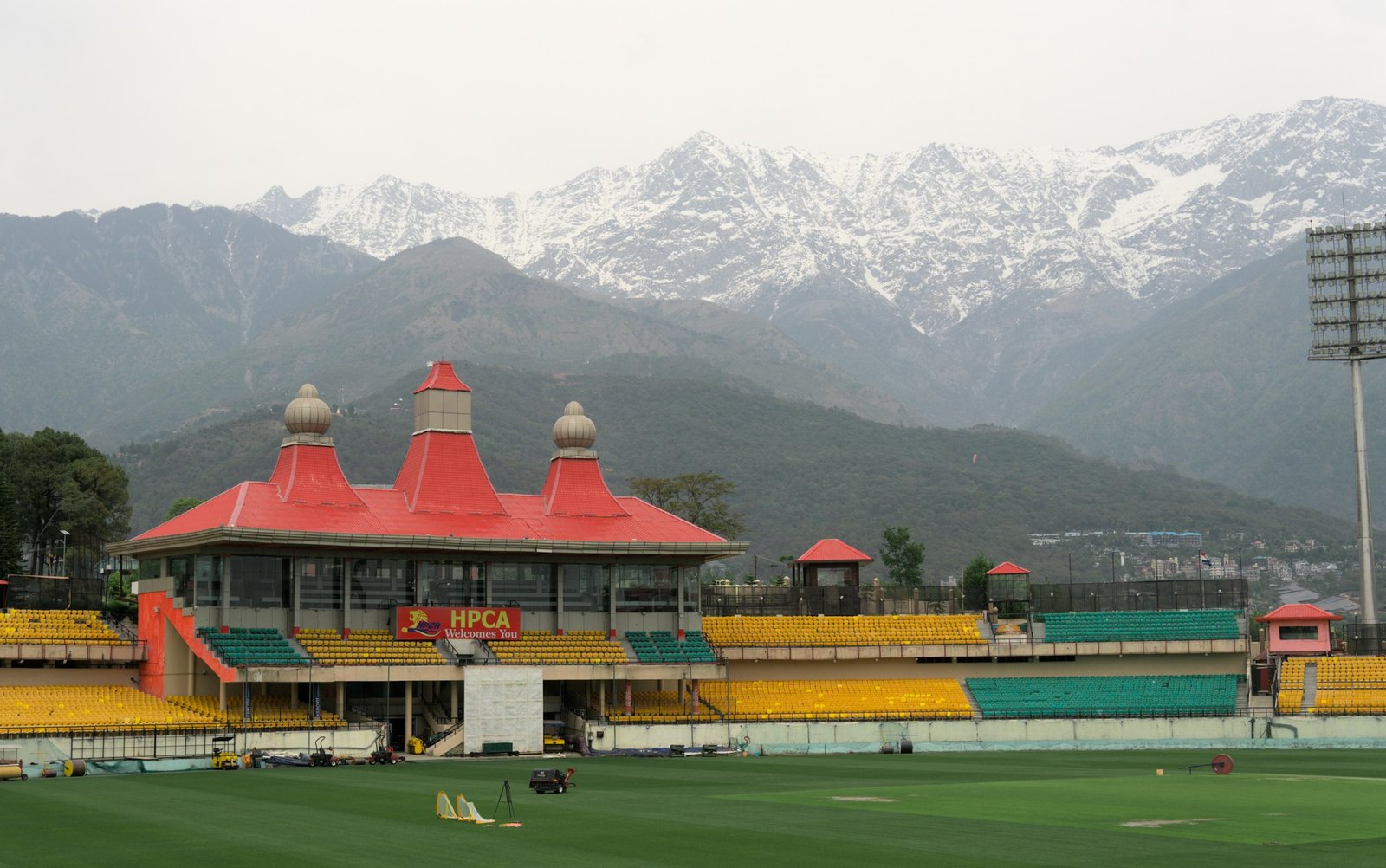
One of Dharamshala’s most unexpected transformations happened when the HPCA stadium was built in 2003. For nearly a decade, it was underused and unnoticed even by the locals, but all that changed with the first ODI (India Vs England) held at the stadium in 2013 and more and more matches started taking place.
The stadium quickly gained recognition as one of the most picturesque cricket venues in the world. The sight of professional cricket being played against a backdrop of the Himalayas feels almost surreal and is a perfect example of Dharamshala’s ability to blend the extraordinary with the everyday.
An Experience
What makes Dharamshala unique is not any one attraction but the remarkable convergence of experiences and how cultures, communities and histories can come together to create something truly extraordinary.
Travelers can explore centuries-old Himachali traditions, visit Tibetan monasteries, trek through Himalayan forests, watch international cricket matches, and end their evening surrounded by mountain sunsets.
Dharamshala exists comfortably between worlds. It is a place where resilience emerged from disaster, where displaced communities found a home, and where rich cultures came together to create something entirely unique.